
5 Things to Know Before Shipping Heavy Equipment Across Canada
Shipping heavy equipment across Canada requires careful planning, proper documentation, and an experienced logistics partner who understands the unique challenges of oversized loads. Whether you’re moving construction machinery, agricultural equipment, or industrial components, the right preparation can save you time, money, and headaches.
At Fortress Forwarders, we’ve coordinated hundreds of heavy equipment transport jobs across every province and territory. Over our 33+ years in business, we’ve learned what separates smooth deliveries from costly delays. Here are five essential things every shipper should know before moving heavy equipment across Canada.
Understanding Weight and Dimension Regulations
Every province in Canada has specific regulations governing oversized and overweight loads. What’s considered a standard load in one province might require special permits in another, and failing to secure the proper documentation can result in delays, fines, or even having your shipment turned back at provincial borders.
Weight limits vary by highway classification, season, and even time of year. Spring road bans, for example, can significantly restrict load weights on certain routes during thaw periods when road surfaces are most vulnerable. Your logistics partner should be familiar with these seasonal restrictions and plan routes accordingly.
Permit Requirements Vary by Province
Different provinces have different thresholds for what constitutes an oversized load. In British Columbia, loads exceeding 2.6 meters in width require permits, while other provinces may have different standards. Height restrictions, particularly under overpasses and through urban areas, must be carefully mapped before your equipment moves.
Working with an experienced freight forwarder means these details are handled for you. We coordinate all necessary oversize load permits, plan compliant routes, and ensure your equipment meets provincial regulations before it ever leaves the yard.
Proper Equipment Securement Is Critical
Heavy equipment represents a significant investment, and proper securement protects both your asset and everyone sharing the road. The National Safety Code sets standards for cargo securement, but the specifics depend on your equipment’s weight, dimensions, and center of gravity.
Inadequate securement can lead to load shifts during transit, causing damage to your equipment and creating serious safety hazards. Professional carriers use specialized chains, binders, and blocking techniques designed specifically for heavy machinery, and the tie-down pattern changes depending on whether the load rides on a flatbed or a drop deck.
What Proper Securement Includes
Professional heavy equipment transport requires more than just chains and straps. Here’s what should be part of every proper securement plan:
- Multiple tie-down points using grade-appropriate chains and binders
- Blocking and bracing to prevent forward, backward, and lateral movement
- Regular securement checks throughout transit, especially after the first 50 kilometers
- Documentation of securement methods and inspection points
- Specialized equipment for unique loads (lowboys, RGN trailers, multi-axle configurations)
Your freight forwarder should work with carriers who understand these requirements and have the right equipment for your specific machinery, including double drop and RGN trailers for loads that sit too tall for a standard deck. At Fortress Forwarders, we only partner with carriers who meet our strict safety and securement standards.
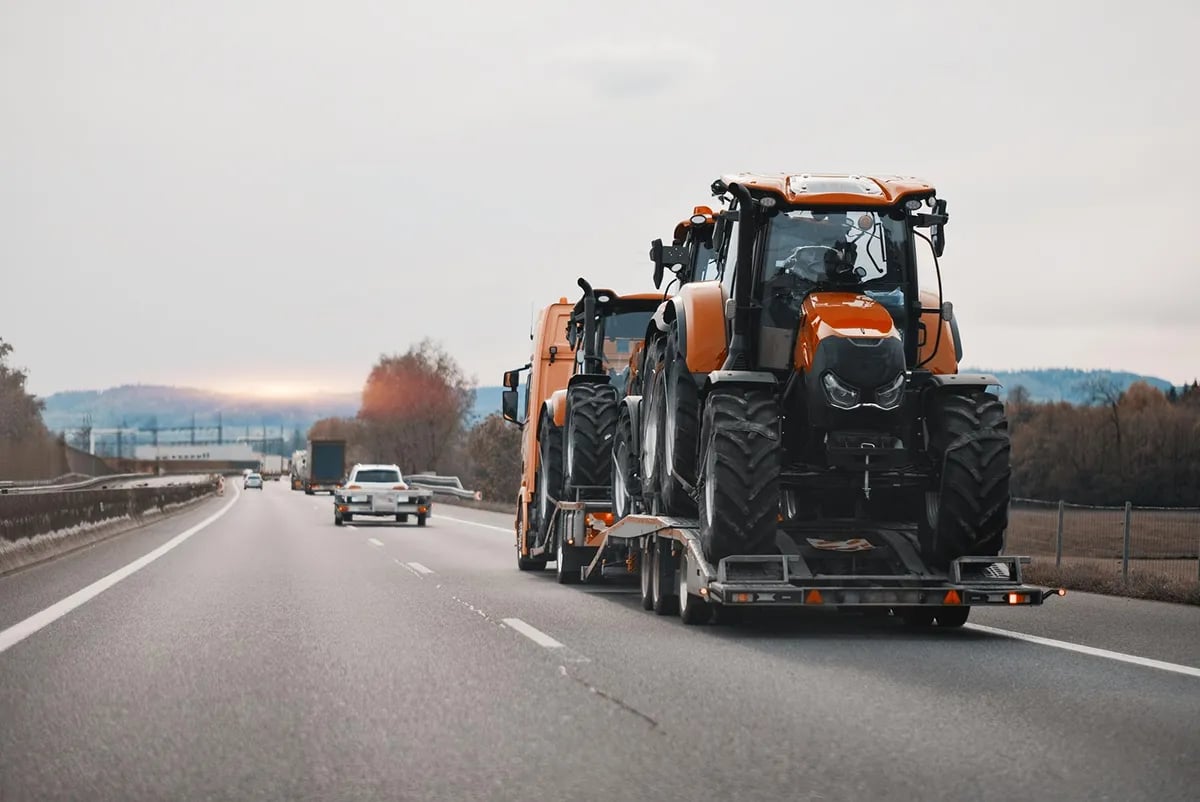
Route Planning Makes or Breaks Delivery Schedules
Not all routes are created equal when it comes to heavy equipment transport. The shortest distance between two points might take you through areas with weight restrictions, low clearances, or narrow roads that can’t accommodate wide loads. Experienced logistics coordinators plan routes that balance efficiency with compliance and safety.
Weather conditions also play a crucial role in route planning. Mountain passes may be impassable during winter months, and some rural roads become unsuitable during spring thaw. Your logistics partner should monitor weather forecasts and road conditions, adjusting routes proactively to avoid delays.
Insurance and Liability Coverage
Standard trucking insurance may not adequately cover high-value heavy equipment. Before your machinery moves, understand what coverage the carrier provides and whether you need additional protection. Equipment values can easily reach hundreds of thousands of dollars, and inadequate insurance leaves you vulnerable to significant financial loss.
Ask your freight forwarder about carrier insurance limits, deductibles, and what’s specifically covered. Some policies exclude certain types of damage or have limitations for oversized loads. We recommend reviewing insurance details before finalizing any shipment arrangement, since coverage is one of several line items in what determines the price of a move.
Documentation Requirements
Proper documentation protects everyone involved in the shipment. Keep a detailed condition report before transport, including photos from multiple angles showing any existing damage. This documentation becomes critical if damage claims arise.
Your logistics partner should provide you with copies of all permits, insurance certificates, and bill of lading documents. This paperwork proves compliance and protects you if questions arise during or after transit.
Communication Throughout the Journey
The difference between a good freight forwarder and a great one often comes down to communication. You should receive regular updates about your shipment’s status, from pickup confirmation through delivery. If delays occur, and they sometimes do despite best planning, you should hear about them proactively, not when you call asking where your equipment is.
At Fortress Forwarders, we assign a dedicated coordinator to every shipment. You’ll have direct contact with the person managing your load, not a call center. This personalized approach means faster answers to your questions and proactive solutions if challenges arise.
Heavy equipment shipping doesn’t have to be complicated. With the right partner handling permits, route planning, carrier coordination, and communication, you can focus on your business while your equipment arrives safely and on schedule. Our heavy haul work runs out of Western Canada and reaches every province, and after 33+ years of moving machinery we’ve refined our process to eliminate surprises and deliver the reliable service your business depends on.
Ready to ship your heavy equipment? Contact Fortress Forwarders for a detailed quote and experience the difference of working with a logistics partner who treats your equipment like our own.